

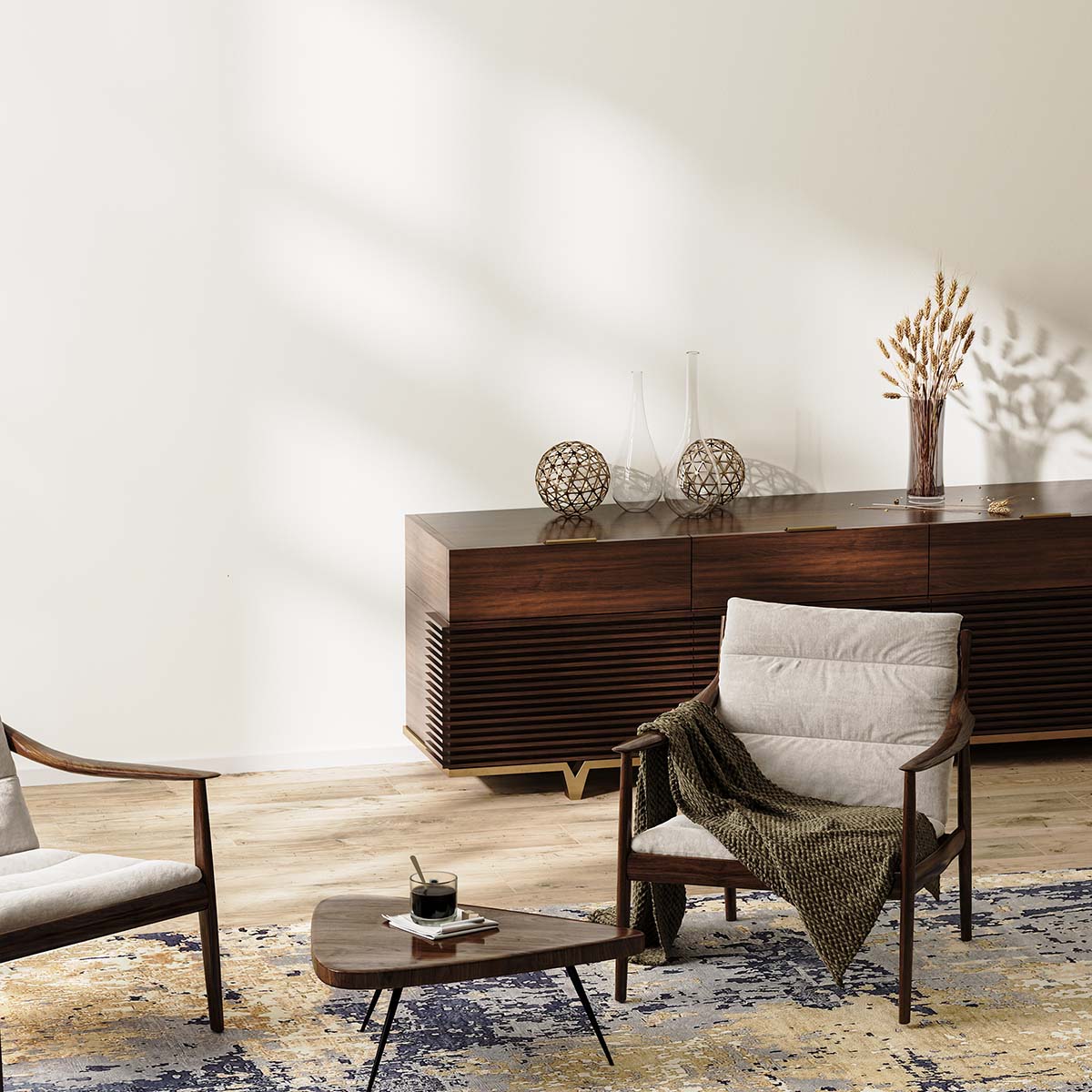

Why Wood Surfaces Work
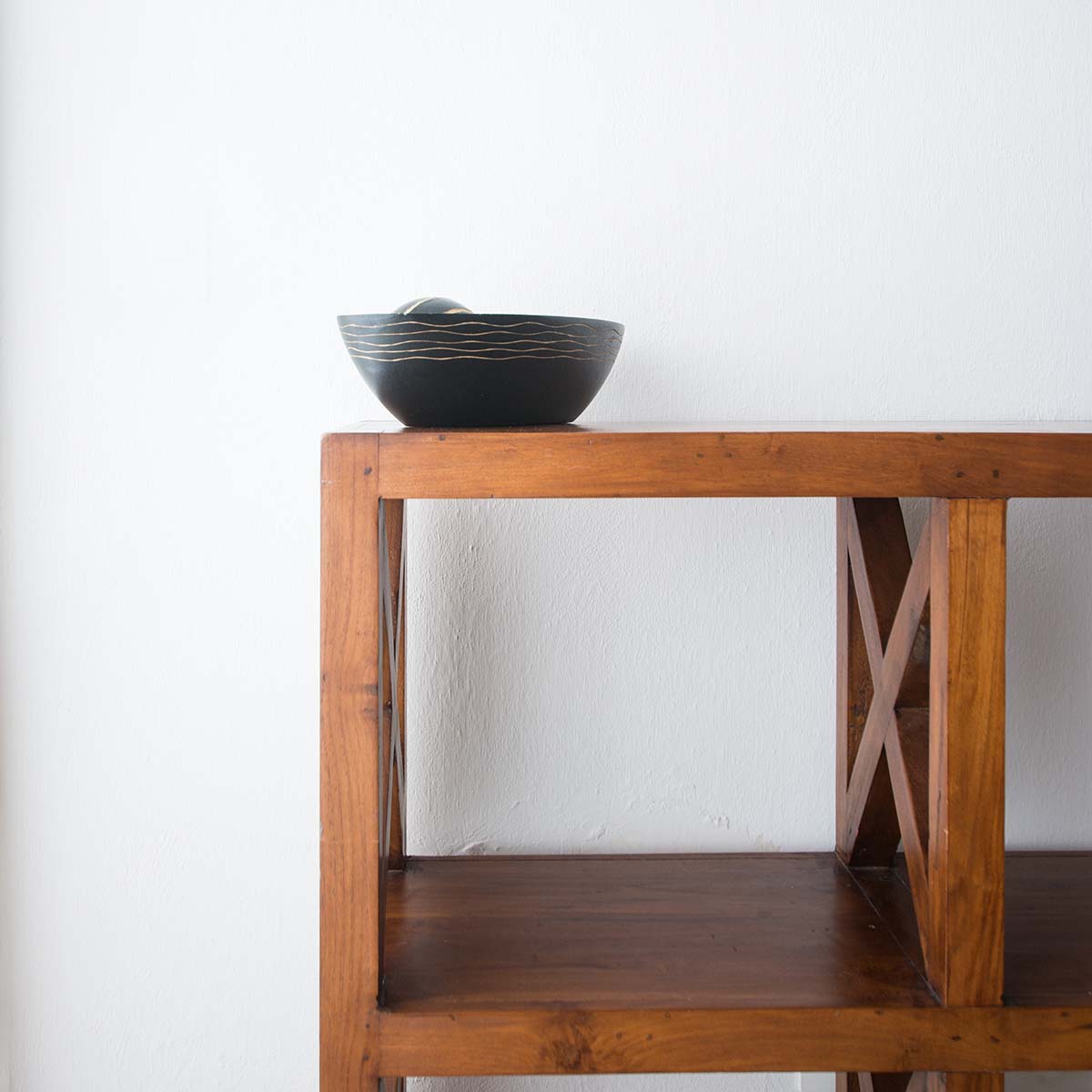
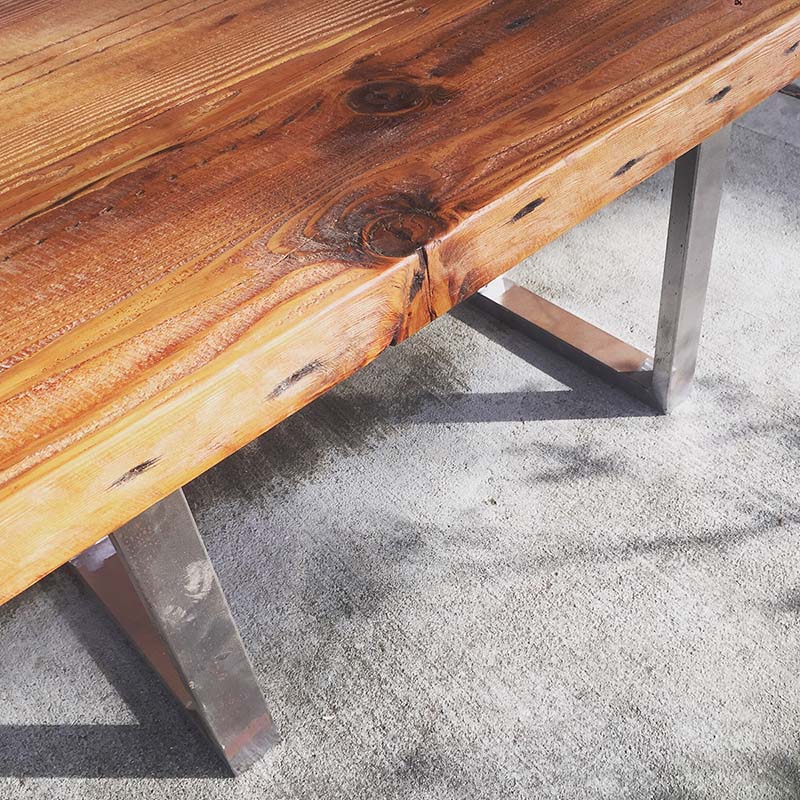
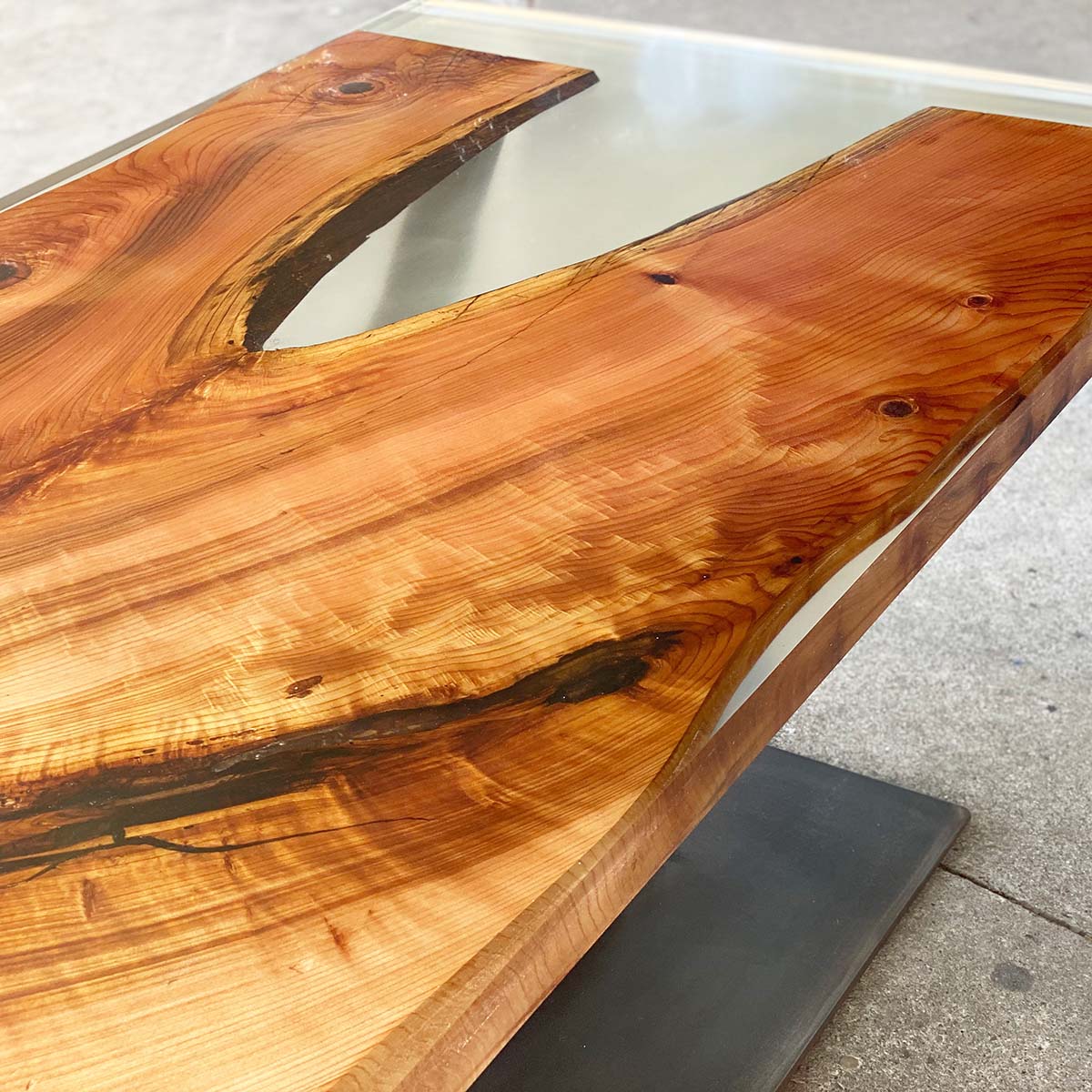
Solid wood brings warmth, repairability, and a timeless look to kitchens and workspaces. With the right species and finish, a wood top is durable and easy to maintain.
Species At A Glance
Acacia
Rich color, distinctive grain, very good hardness, naturally resilient. Works well for countertops and islands that see daily use.
Red Oak
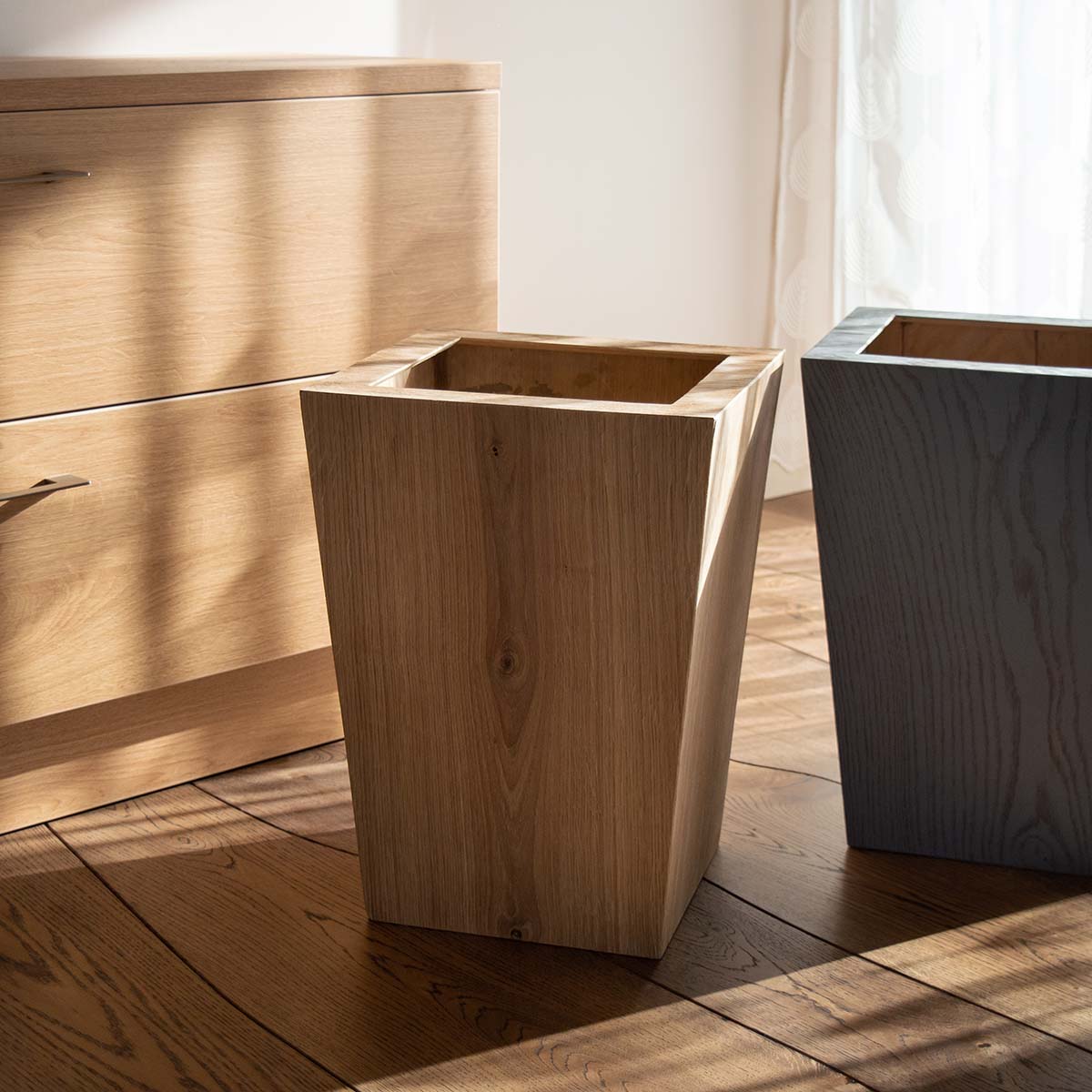
Classic American look with visible grain, strong and stable when sealed. Great for islands, bar tops, and table tops.
Poplar
Lightweight and easy to machine, accepts paint and stain evenly. A smart choice for value driven builds and painted projects.
Wenge
Deep chocolate tone and premium feel, very dense and striking. Ideal for statement counters and upscale furniture tops.
Hevea
Sustainably sourced rubberwood, stable and consistent. Performs well in butcher block panels and wide panels.
Finish Options
-
Food grade oil for a natural look on cutting or prep areas. Reapply as needed.
-
Hardwax oil for a matte finish that resists water and stains.
-
Polyurethane for high traffic counters and bar tops that need extra protection.
Sizing And Fit
Most kitchen runs use about 25 inches in width, with common lengths from eight to twelve feet. Allow room for seasonal movement, and finish all sides including cutouts and undersides.
Care Basics
Wipe spills promptly, use trivets and cutting boards, refresh the finish as needed. Small scratches can be sanded and spot finished, which is a key advantage of real wood.